Category: Community

  • The Custodians of Religion

    The Custodians of Religion

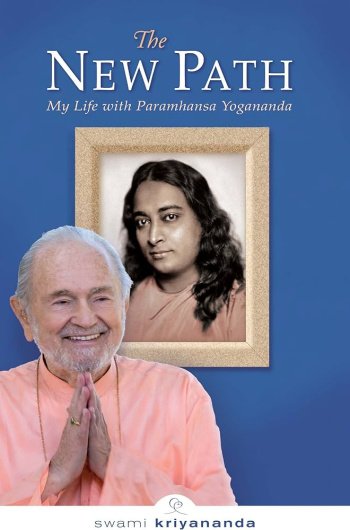
    In my early life lexicon, the term “custodian” referred only to the janitor at my elementary school. Later, in my early adult life, I read perhaps one of the greatest spiritual books ever written, The New Path by Swami Kriyananda. In Part II, Chapter 33: Original Christianity,  the author emphasizes and expounds an important message from Paramhansa Yogananda:
    “The saints alone are the true custodians of religion. For they draw their understanding from the direct experience of truth and of God, and not from superficial reasoning or book learning. The true saints of one religion bow to the divinity manifested everywhere, including of course to the true saints of other religions.”

    I know that I met at least one great saint in Swami Kriyananda himself. He demonstrated in countless ways, large and small, that his consciousness was elevated far beyond the average human state. He drew little attention to this however, as saints often do, and even obscured it at times. The famous French saint Joan of Arc said “If I am not, may God put me there; and if I am, may God so keep me.” Furthermore Swamiji and the saints encourage all of us, as fellow spiritual seekers, to consciously acknowledge, identify with, and develop the saintliness in ourselves and in one another. I remember one occasion Swami referred to all of us as “Saintlets”, or little saints. This has been a helpful practice to me spiritually–to look for and encourage the very best in myself and those around me.
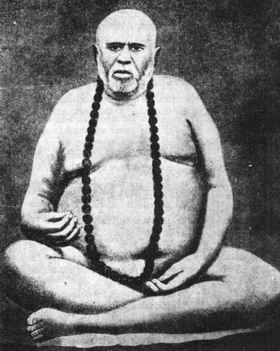
    Find peace within, for that is where your true strength lies.
    –Trailanga Swami

    Generally speaking, saints are rare and mystical beings in our world who manifest some higher consciousness which is innate in everyone and everything. They may take expression in the form of any gender, age, race or religion. Their saintliness may be apparent, obscure or even bewildering. Trailanga Swami was an enormous, always naked, 280-year old saint in India who British soldiers would securely imprison, until he would trans-locate from his cell to stroll on the prison rooftop. Certain religions and churches will designate a saint (or not) as if their acknowledgement is necessary to validate their status, when in fact it is the saints who are responsible for keeping the oft-misguided religions on track! 

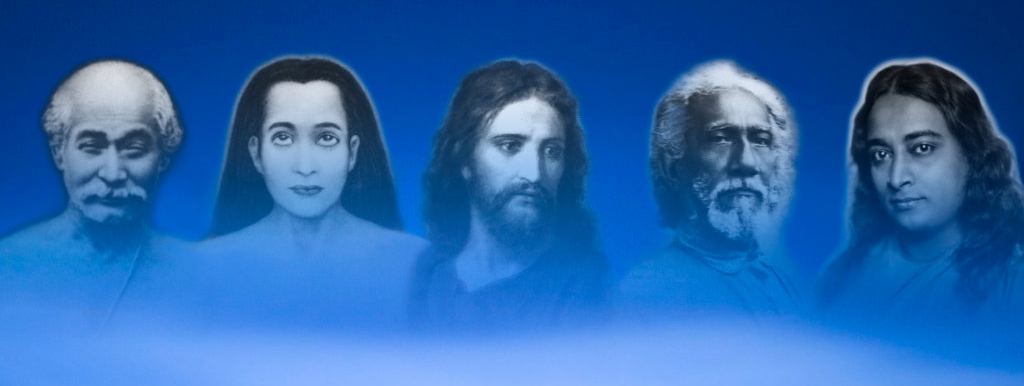
    Saints are often inconvenient, and do not necessarily care much for religious customs or norms. The A-List of saints (A for Avatars: fully liberated, enlightened divine incarnations) like Buddha, Krishna, Jesus and Yogananda came–and will always come–to re-establish completely “new religions”, commonly disturbing or dismantling the preceding norms. This upsetting of the religious apple cart is a challenging, sometimes fun, and often painful long-rhythm process of keeping humanity on track morally and spiritually on this planet. St. Francis of Assisi stripped naked in public and renounced wealth in his supreme devotion to God, living in extreme poverty while singing joyful praise of the Lord and His natural world. Soon after, he drastically improved the course of Christianity and the history of the world.

    Lord, make me an instrument of thy peace. Where there is hatred, let me sow love. –St Francis of Assisi

    Of course there can never really be an old or a new religion or God. Jesus said “I have not come to abolish them [the Law or the Prophets] but to fulfill them.” (Matthew 5:17) The saints give a fresh expression to the same truth that God is divine love, peace and joy, shining through the natural world and the virtuous qualities of men and women throughout time. When more and more people realize this, they pray and meditate, sing joyfully and live simply for God and become little saintlets on their way. To this end Paramhansa Yogananda and Swami Kriyananda have given us countless spiritual books, talks, communities, music and so much more to support the elevation of consciousness in this age. Even a fraction of sincere practice and participation in these endeavors yields wonderful results. 

    One of my favorite quotes from Swami Kriyananda reduces it all so beautifully and simply: “I have found the more I think of God, and the less I think of me, the more everything somehow works out. And life becomes a song of joy when you live in this way.

  • The Trumpet Call of Friendship

    The Trumpet Call of Friendship

    The greatest joy and growth, pain and sorrows in this world all relate to our connection with others. And the highest form of connection is friendship. True friendship is a spiritual relationship of love, support and respect. Paramhansa Yogananda wrote “Friendship is God’s trumpet call, bidding the soul to destroy the walls which separate it from other souls, and from Him.”  

    My wife Gita and I will soon be sharing an inspirational workshop at our Ananda Portland Temple on this topic-–Radiant Relationships: A Yogic Approach to Love (join us in-person or online!). The focus is not intended for couples alone, which deserve special emphasis, but for all relationships which have basic and critical elements in common. Naturally we have been thinking of this topic and will share some of the following ingredients, crucial to the success of any relationship: 

    • Take care of yourself. Exercise, appearance, diet, meditation…what do these have to do with your friendships? If you are not in a healthy, balanced state it is hard to be at your best when relating to others. Meditation and spiritual practices, above all, help us relate with friends and loved ones from the highest place within us.
    • Have fun. Be willing to laugh at yourself. Don’t take life too seriously, and maintain a good sense of humor. People are weird–face it, you are weird!–and this world is full of weirdness. The best approach, especially when is to comes to oneself, is to try to have fun and keep it light, without sacrificing your depth—see above re: balance.
    • Learn to behave. Develop attitudes that will nurture your relationships such as thoughtfulness, kindness, and deep respect. Avoid acting or speaking out from an emotional state. Learn to accept and love others as they are. All our problems arise from our expectations of others, and of life. Remember, you are not the Guru of your spouse, friend or acquaintance. Be a good listener, a kind heart, and a thoughtful friend. 
    • Maintain perspective. Nothing is more important than your relationships. Don’t let “stuff” get in the way. As a great husband of many years’ once said: “When I married my wife, I told her I would make all the important decisions in our relationship. Since then there just haven’t been any important decisions to make.” Nothing is more important than our friends!

    Ananda exists to support people in the quest to realize God. The medium for this to happen is first and foremost through meditation and the loving relationship between soul and Spirit. Then it all comes down to our interactions with people—in our homes and families, work and service, play and social spheres. Take note–this is where the bulk of our karma and growth takes place!

    In fifteen years of living and serving at Ananda, far and away the greatest wealth I have acquired is true friendship: with myself, with others, and with God. Not a king’s treasury could compare in worth! There are hundreds of friends around the world who I share this deep connection with. While only a handful can be more personal, intimate friendships, the depth of true, divine friendship is timeless, transcendental and ever-sweet!  

    Prioritize these divine friendships over the less-important things in your life (hint: everything else) and nurture your soul relationships with all. The trumpet call of friendship is sounding! Will you answer the call?

  • Atomic Resolutions

    Atomic Resolutions

    Now is the time of resolutions, a time for making promises that are notoriously broken within weeks. Here in Portland, we’ve had an epic ice storm to contend with as we try to maintain ours! New Year’s resolutions are not simply a social construct. In fact, they are a natural expression of what is happening for us on an energetic level. 

    January 5th is the celebration of Paramhansa Yogananda’s birthday, a time for renewed inner commitment and fresh starts for many of us. January 14th the sun moves into the sign of Capricorn, which signifies the start to the astrological new year, according to the Vedic tradition. Capricorn starts the new year off with her commitment to hard work and her innate loyalty and ambition. As you can see, it’s a pretty good time to set new resolutions to achieve goals.

    Paramhansa Yogananda in his chapter in Autobiography of a Yogi called “Outwitting the Stars” talks with his guru Sri Yukteswar about how a great master is so attuned to the energies of both themself and the universe around them that they know how to flow with the celestial influences, rather than against them.

    So, how do we harness the time of Capricorn to actually succeed at these new year’s resolutions, rather than give them up before we’ve entered the sign of Aquarius on February 14th? For this answer, let’s consider both our personal experiences and the wisdom of the ages.

    On a personal level, new year’s resolutions are hit or miss for most of us. I remember the year I decided to quit smoking cigarettes (2000). I woke one day in January and decided that they tasted bad and that I wasn’t a smoker. I quit that day. From there, I had to disassociate every activity that I previously associated with smoking – walking, drinking coffee, driving, socializing. It was primarily an exercise of re-visioning my life now as a nonsmoker. Once I had a clear vision of my new self, the habit slowly lost its power.

    The teachings of yoga offer many valuable tools on the road to building new habits. Swami Kriyananda taught us that to make meditation a daily habit there are important things we can do such as creating an uplifting space for meditation, committing to certain times of day for our practices, finding others to meditate with, studying the lives of saints and masters, and most of all, cultivating the heart’s devotion to the Divine.

    What all of these guidelines suggest is that to succeed at building new habits, it takes more than habit tracker apps. We must cultivate commitment on four levels:

    1. The physical: what structure do we have in place to support the achievement of our new goal?  
    2. The mental: what ideas and attitudes are we cultivating to support the achievement of our goal?
    3. The emotional: is our heart in it? Can we light the fire of our desire towards whatever we set out to achieve and then maintain that fire ever-burning?
    4. The spiritual: how is this goal in alignment with our highest Self? What is the driving energy behind it? How is this helping in our soul’s evolution?

    In the popular book Atomic Habits: Tiny Changes, Remarkable Results, James Clear has a number of excellent suggestions about how to make new habits stick. At the heart of his thesis is this universal truth: who you believe yourself to be drives the daily actions that accumulate as habits to create your life. 

    So, if your resolution is about deepening your spiritual life, it is wise to consider what you believe about yourself as a spiritual being and what you think one ought to look like. One common pitfall on the path to creating habits of spiritual practice is the belief that to be successful, one must look a certain way, act a certain way, and feel only certain feelings. 

    Surrender, When You're Trying Too Hard - Ananda India

    The great saints are excellent teachers on this subject for they come in every imaginable shape and size and personality. As we study their lives and our own, we come to see the Divine dancing through a myriad of forms. Behind each one, we recognize the consciousness that animates the dancer. And thus we begin to redefine what it means to be spiritual and set ourselves up for truly successful resolutions

  • Giving Blood, by Nayaswami Hanuman

    Giving Blood, by Nayaswami Hanuman

    Hi Friends,

    I have been donating blood ever since I was 19 years old in the Army. It has been a way for me to give back to my community, my country, and all those who have given their blood to help others. 

    I would like to start a blood drive here at our temple. It is easy set up, but needs a base number of people ready to give blood. Giving blood is not for everyone. So don’t feel you have to make a big stretch here. But if the idea doesn’t completely nauseate you and you don’t faint at needles, give it some thought.

    Some of the benefits for giving blood are:

    Donating regularly may help your blood flow and result in fewer arterial blockages. In fact, some studies have shown that men who donate at least three times a year can drastically reduce their risk of having a heart attack or stroke. Donating can keep your iron level balanced.

    When you donate blood, you get a mini-physical. Your vital signs are checked, your iron level is checked, and your blood is screened for some infectious diseases.

    One blood donation can save up to three lives. People usually donate because it feels good to help others, and altruism and volunteering have been linked to positive health outcomes, including a lower risk for depression and greater longevity. 

    Well that’s enough for now. Please respond to me at Hanuman.baughman@gmail.com if you would like to help in this way.

    Blessings,

    H